Fours
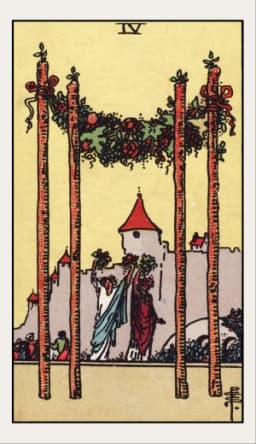
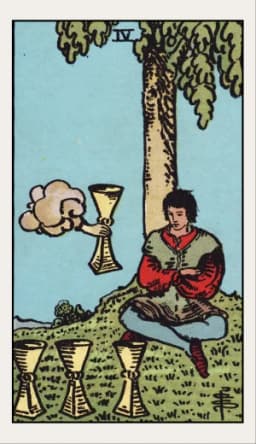
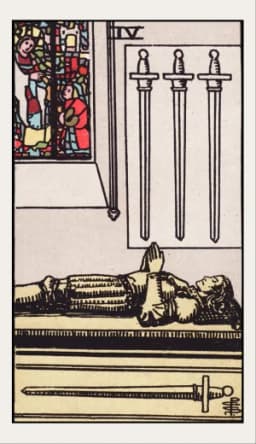
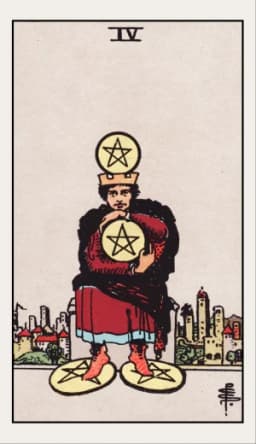
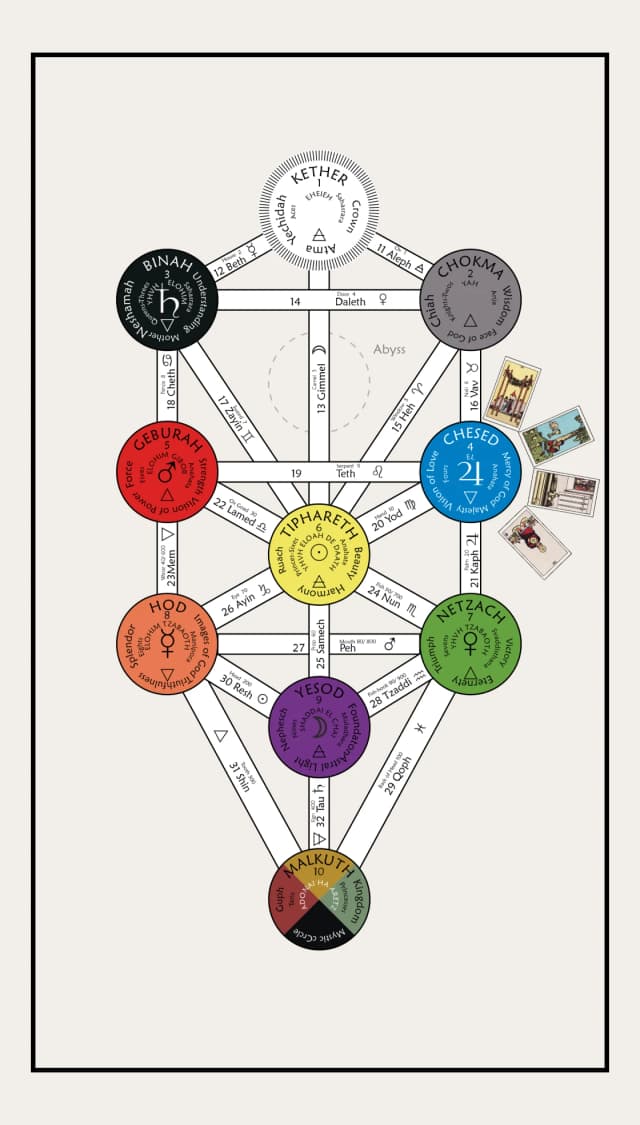
The Fours of each suit correspond to Chesed, Mercy—the fourth Sephira and the first below the Abyss that separates the supernal triad from the lower Tree. Where the first three Sephiroth represent archetypal principles, Chesed is the first manifestation of those principles in a form we can more readily comprehend. Chesed is associated with Jupiter, the planet of expansion, benevolence, and abundance. The Fours represent stability, consolidation, and the establishment of secure foundations. After the creative synthesis of the Threes, the Fours ground and stabilize that creation, providing the structure within which further development can occur. In the Western Mystery Tradition, Chesed represents the divine grace that sustains existence, the loving power that maintains creation.
Qabbalistic Significance: Chesed stands at the center of the Pillar of Mercy, directly below Chokmah, continuing the expansive, generous energy of the masculine pillar but now in manifest form. The Fours carry this energy of established order and benevolent power: the Four of Wands shows perfected work and celebration of completion, the harvest festival of creative effort; the Four of Cups reveals luxury that borders on stagnation, emotional abundance that may lead to complacency; the Four of Swords presents rest from strife, the necessary respite that allows recovery and reintegration; the Four of Pentacles embodies earthly power and material security, the consolidation of resources. The esoteric number four represents the square, stability, the four elements established, and the foundation upon which further construction depends.
 Click the image to enlarge
Esoteric Meaning & Practical Application: In readings, Fours indicate stability, structure, and the need for consolidation before further advancement. The Four of Wands celebrates achievement and the completion of an important phase, inviting rest and enjoyment; the Four of Cups warns against emotional complacency or the failure to appreciate current blessings, sometimes indicating the need to seek new inspiration; the Four of Swords prescribes rest, contemplation, and recovery, honoring the need for withdrawal before renewed engagement; the Four of Pentacles addresses the management of resources, the importance of security, and the potential pitfall of holding too tightly. The spiritual lesson of the Fours is learning to build lasting structures without becoming trapped in them—to appreciate stability while remaining open to necessary change.
Shadow Aspects & Imbalances: The shadow of the Fours emerges when stability becomes stagnation, when the secure foundation intended to support growth instead becomes a prison. An imbalanced Four of Wands may manifest as premature celebration, hollow achievement, or the failure to appreciate what has been accomplished; the Four of Cups as depression, boredom, ingratitude, or missing opportunities through excessive introspection; the Four of Swords as avoidance disguised as rest, withdrawal from life, or the refusal to re-engage with necessary challenges; the Four of Pentacles as greed, hoarding, fear-based control, or the reduction of life to material security. The deeper shadow of all Fours is the belief that safety comes from controlling circumstances rather than trusting the flow of life. Healing comes through recognizing that true security is internal, and that the structures of Chesed are meant to nurture growth, not prevent it.
Written by
Serena Nightwell
Tarot Reader, Astrologer & Esoteric Researcher
With over a decade of dedicated study in tarot, astrology, and the Western esoteric tradition, Serena Nightwell brings scholarly depth and intuitive wisdom to every reading and article. Her work bridges ancient mystical knowledge with modern psychological insight, making the timeless wisdom of the cards accessible to seekers at every level of their journey.
References & Further Reading
The Pictorial Key to the Tarot — Arthur Edward Waite (1911)
Seventy-Eight Degrees of Wisdom — Rachel Pollack (1980)
The Book of Thoth — Aleister Crowley (1944)
Tarot: Mirror of the Soul — Gerd Ziegler (1988)
The Qabalistic Tarot — Robert Wang (1983)
Understanding Aleister Crowley's Thoth Tarot — Lon Milo DuQuette (2003)
Content informed by these scholarly and traditional sources. Interpretations reflect a synthesis of historical research and contemporary practice.
Discover Your Birth Chart
Unlock the map of the stars at the moment of your birth. Understanding your Sun, Moon, Rising and planetary positions.
Only €1.99or included free with Premium
Latest Insights